
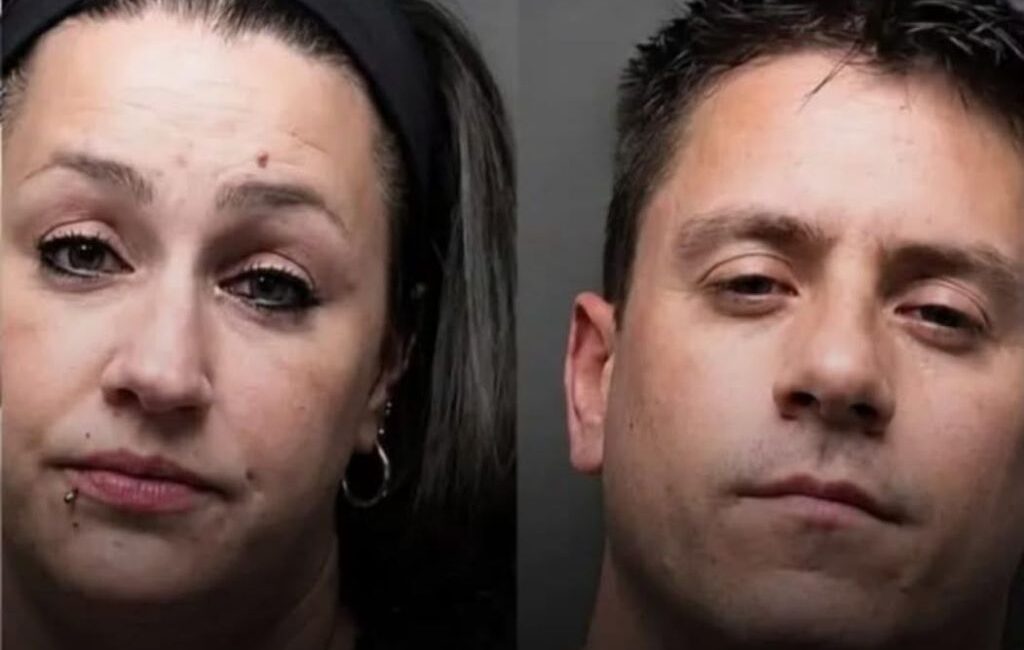
We’ve all felt that little knot of dread before meeting a match in person — what if he’s disappointing, what if he lied about his height, or worse, what if he’s already taken? But no one — and we mean no one — braces themselves for unknowingly becoming a getaway driver after a bank heist. And yet that’s exactly what happened to a woman in Massachusetts, on an otherwise ordinary December evening, who thought she was simply heading out on a regular first date.
This story, as wild as it sounds, deserves more than a passing laugh. It’s not just a juicy headline — it raises a question that touches all of us: how well can you really know someone you’ve only met through a screen?
A First Date That Started Like Any Other
It all begins almost sweetly. A woman in her late thirties had been chatting for a few days with a man named Christopher Castillo on a dating app. The conversation seemed to flow, at least online. She agreed to meet him in person and, out of either courtesy or simple logistics, offered to pick him up at his parents’ house in Chepachet, Rhode Island.
The first small red flag — one she probably brushed off at the time — appeared almost immediately. No sooner had he climbed into the car than Castillo pulled out a bottle of wine and started sipping it in the passenger seat, as casually as someone snacking on chips. Odd, sure. But not exactly alarming. Most of us have excused a slightly off behavior on a date before, hoping the rest of the evening would still turn out fine.
The drive lasted about thirty minutes, heading toward North Attleboro, Massachusetts. Nothing unusual so far. It’s that suspended kind of moment where you’re still wondering whether the conversation will click, whether there’s real chemistry once you’re face to face. In short: an almost ordinary first date.
The Turning Point: A Request That Changed Everything
And then, suddenly, everything shifted. As they approached a Bristol County Savings Bank branch, Castillo asked her to pull over. Nothing too strange on the surface — maybe he just needed some cash for the evening, she probably thought.
He got out of the car. Walked into the bank. And that’s when things took a dizzying turn: he showed a teller a gun, claimed he was “really hurting” financially, and demanded $1,000 in cash. The terrified teller handed it over. Castillo sprinted back out, sweating, hat and sunglasses hastily thrown on, clutching the money and the weapon.
Picture the scene from her point of view. She’s sitting in her car, maybe touching up her lipstick in the rearview mirror or thinking about how the rest of the night might go, when her date comes sprinting back, panicked, and orders her to drive — immediately. No explanation. No “sorry I’m late.” Just raw, animal urgency to flee.
Panic, Then a Flash of Clarity
Shocked and completely disoriented, she obeys at first. It’s a deeply human, almost instinctive reaction: when someone screams an order with that much intensity, the body reacts before the mind has time to process what’s happening. Psychologists sometimes call this freezing response — that state where fear temporarily overrides our judgment.
But the moment she spots flashing police lights in her rearview mirror, something in her snaps back into focus. She pulls over to the side of the road and runs away from the vehicle, leaving her date to face the consequences alone. A survival instinct — and arguably the best decision she made all night.
Castillo, meanwhile, stays in the car. He resists arrest, struggles violently, and even spits on the officers trying to subdue him. A date that ended, to put it mildly, in complete chaos.
The Legal Aftermath: Who Pays for What?
After investigating, authorities established one crucial fact: the woman had no knowledge whatsoever of Castillo’s criminal plans. She fully cooperated with police, gave a clear and honest account of events, and was ultimately not charged with anything. A logical outcome — but one that surely brought enormous relief after hours of fear and questioning.
For Castillo, on the other hand, the bill came due:
- Guilty plea for armed robbery.
- Three counts of assault and battery on a police officer.
- Sentenced to five years in prison.
Court records also revealed a few darkly comic details: the weapon used was actually an antique .44 caliber handgun belonging to Castillo’s stepfather, and the stolen $1,000 was later found sitting in his own wallet at the time of his arrest. A robbery that was improvised, poorly planned, and almost absurd in its execution.
Why This Story Fascinates (and Unsettles) Us
Beyond the juicy anecdote that’s sure to get a laugh — or a wince — at your next dinner party, this case touches on something deeper: our trust, or lack thereof, in online dating.
A few questions are worth sitting with:
- How much do we really know about the person we’re texting? A dating app bio, a handful of photos, and a few days of conversation reveal almost nothing about someone’s actual psychology or intentions.
- Are we cautious enough on a first date? The classic safety advice — tell a friend where you’re going, meet in a busy public place, have your own way to leave — takes on real weight here.
- How far does legal responsibility go when you become an unwitting accomplice to something you never agreed to? This woman was fortunate that the justice system recognized her innocence. But that outcome isn’t guaranteed, and plenty of similar cases end with manipulated victims facing unfair charges.
Honestly, what strikes me most about this case isn’t the robbery itself — clumsy, almost comically amateurish in its execution — but the sheer loneliness of that moment when everything fell apart for her. She wanted a dinner date, a spark, maybe the start of something real. Instead, she became the unwilling main character of a national news story, rehashed for years on outlets around the world.
I think this story should push us to put our everyday dating anxieties — ghosting, last-minute cancellations — into perspective, while staying clear-eyed about the genuine risks of meeting strangers. Technology has democratized love, but it has never guaranteed safety.
What Do You Think?
If you were in her shoes, what would you have done? Would you have had the presence of mind to run as fast as she did, or would panic have kept you frozen longer? And more broadly: should dating apps be required to implement stronger identity verification to prevent situations like this?
Tell us in the comments if you’ve ever been on — or heard about — a date that went completely off the rails. We’d love to hear your stories (even the less criminal ones)!